
VISTEC Robotics Takes the Spotlight as TNN Films Five Frontier Research Robots for Broadcast
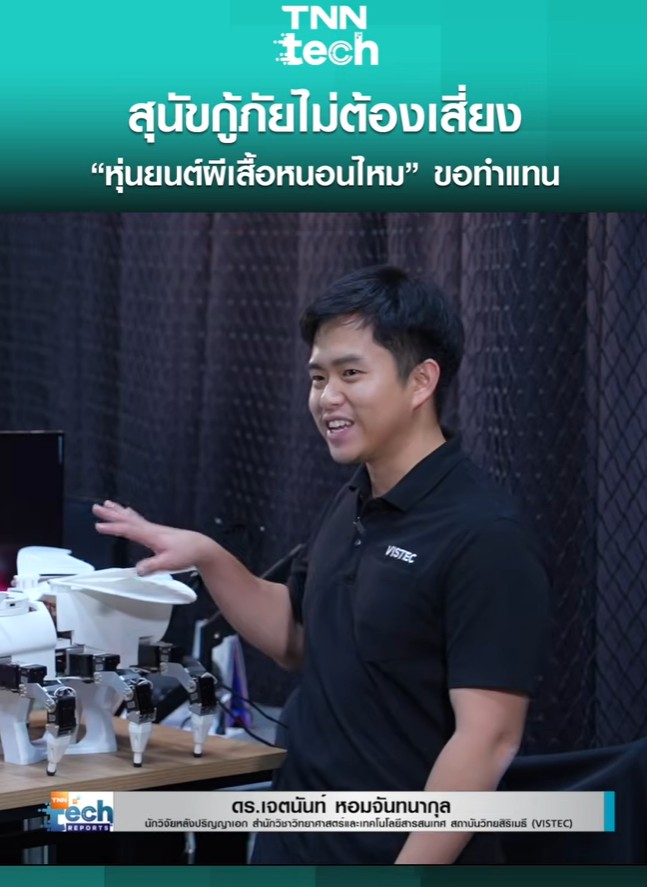
WANGCHAN VALLEY, RAYONG – TNN, a leading news outlet known for its technology coverage across Facebook, X, and Instagram, visited the Vidyasirimedhi Institute of Science and Technology (VISTEC) to film five of the institute’s pioneering robotics research projects, offering audiences a rare look at how bio-inspired design and AI are converging to shape the future of movement, rescue, and rehabilitation technology.
Stick Insect Robot: Decentralized Control Inspired by Nature
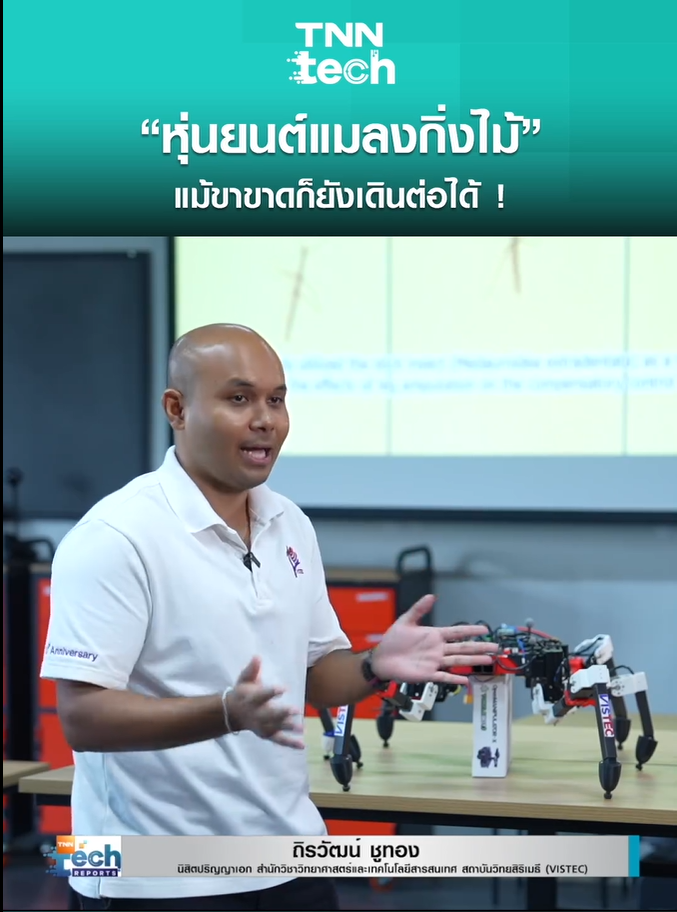
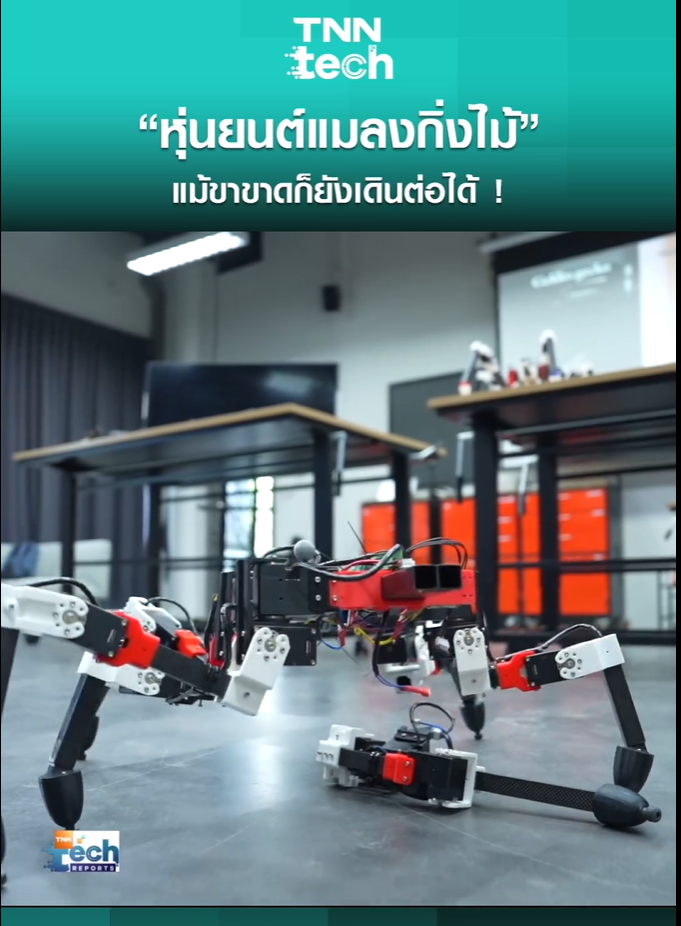
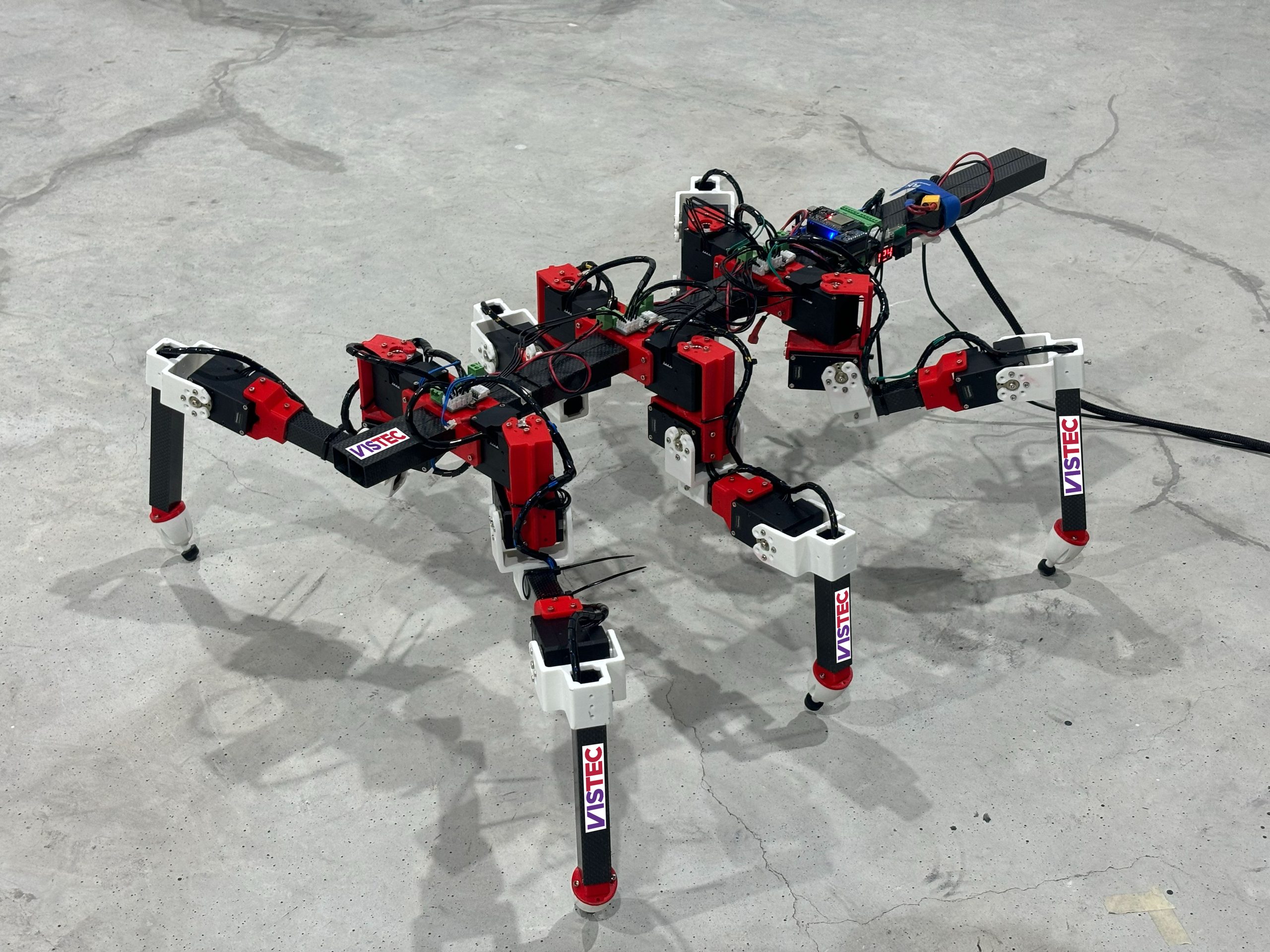
The first robot featured was the Stick Insect Robot, a research platform designed to study how insects achieve remarkable adaptability across diverse terrains. Rather than relying on a single central controller, the robot distributes a small control system, or “mini-brain,” to each individual leg, enabling decentralized control. During filming, the team demonstrated the robot’s walking gait as well as its ability to adapt its movement pattern in real time even when one or more legs were removed or damaged.
Gecko Robot: Rethinking Locomotion Through Body Flexibility
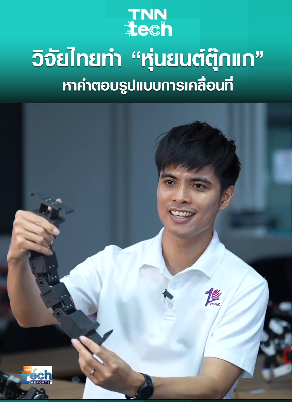
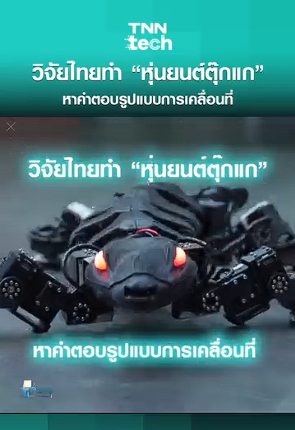
Next, the team showcased the Gecko Robot, developed to investigate how a flexible, bending body affects movement efficiency compared to robots with rigid body structures. Research findings revealed that the flexible-body design allows for greater speed potential. Notably, the team observed that the robot’s body forms a “C” shape when moving at slower speeds, transitioning into an “S” shape as its speed increases — mirroring patterns seen in real geckos.
Silk Moth Robot: Scent-Tracking for Search and Rescue
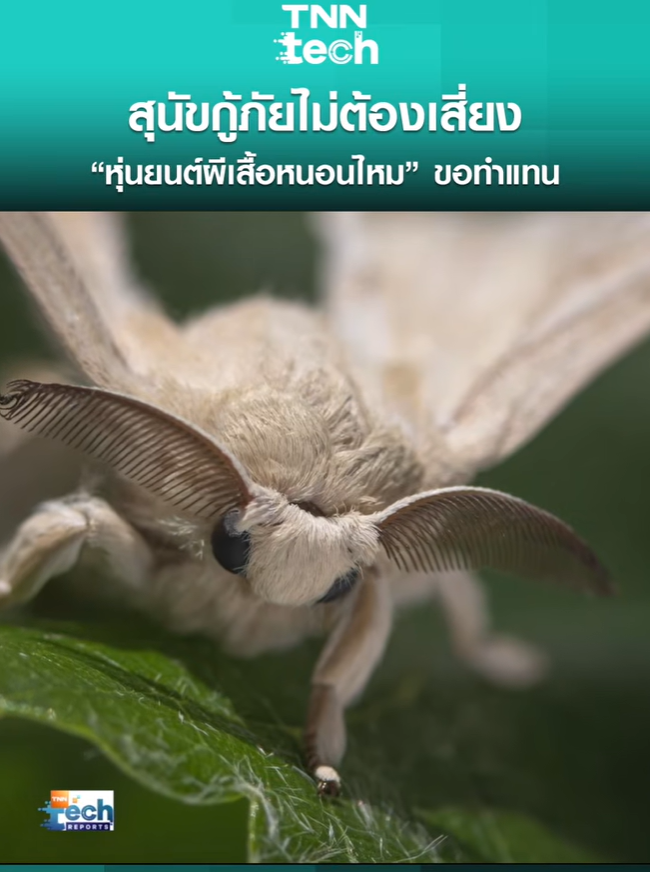
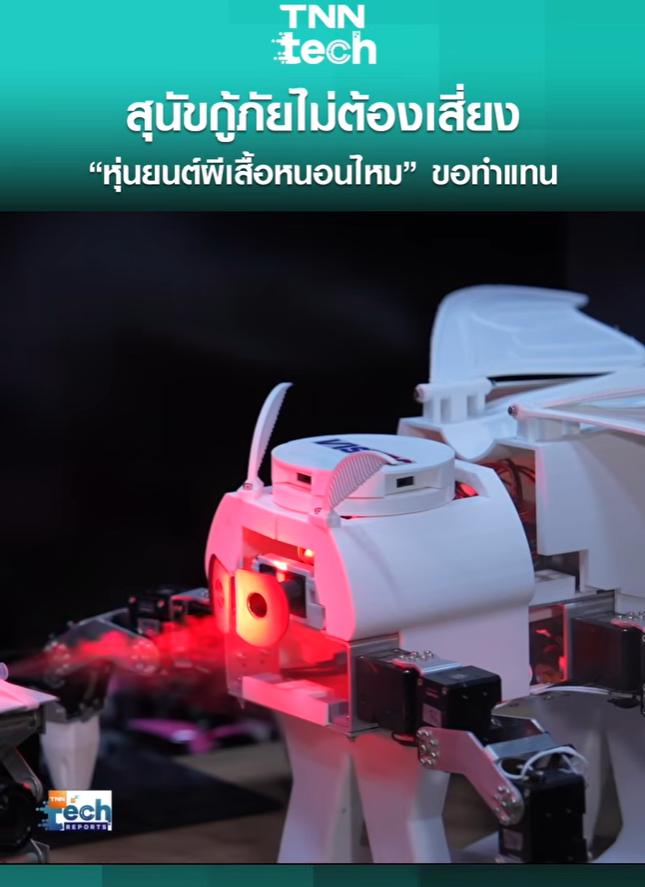
The third robot on display was the Silk Moth Robot, developed to track scent trails with the ultimate goal of supporting search-and-rescue operations in smoke-filled or hazardous environments — reducing the need to send living creatures into danger. The robot can adjust its own height and reorient itself while moving, allowing it to follow scent trails more precisely and effectively.
Lower-Limb Exoskeleton: Personalized Gait Assistance
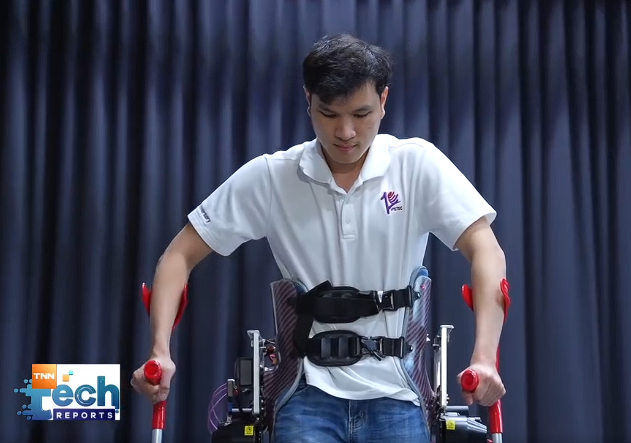
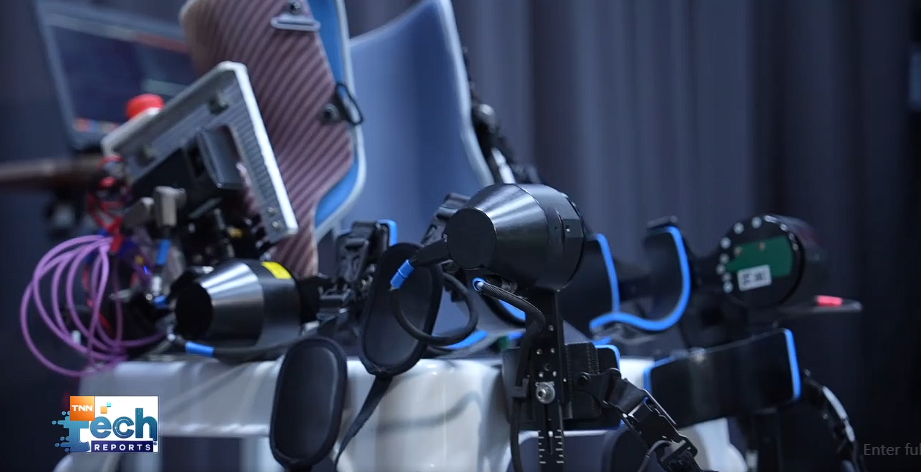
The fourth robot demonstrated was a Lower-Limb Exoskeleton, a wearable robotic system capable of recording an individual’s unique walking pattern and then replicating it to assist that same person’s movement. The system offers flexible, user-controlled operation, with ongoing development aimed at enabling adjustable walking speeds to better suit each user’s needs.
Gait Lab & Wearable Devices: Data-Driven Movement Analysis
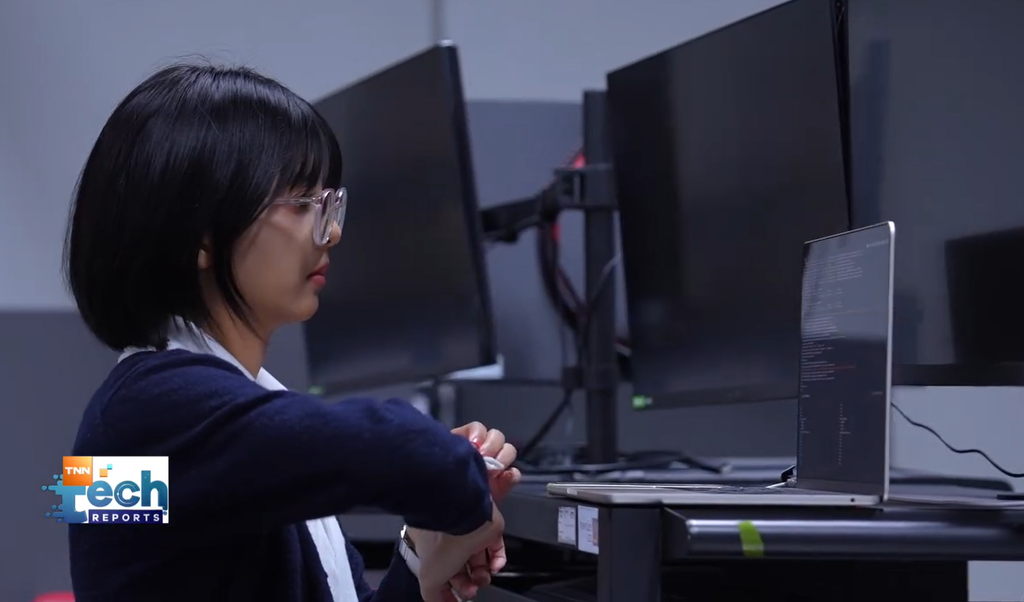
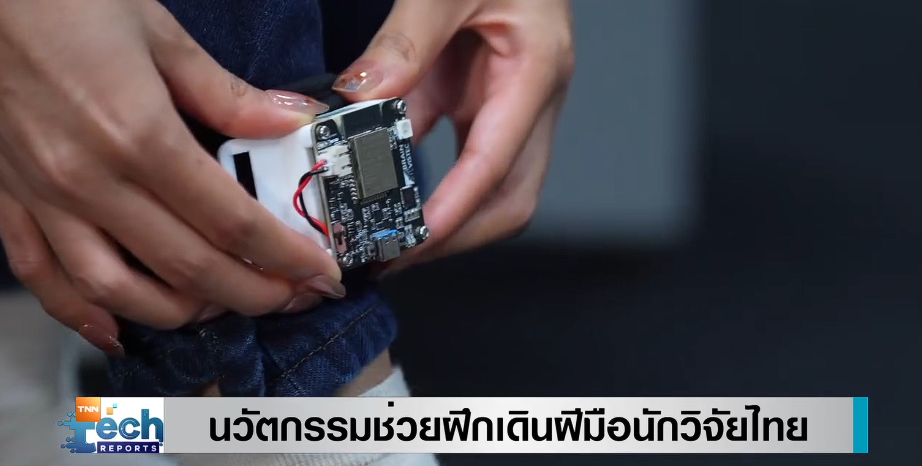
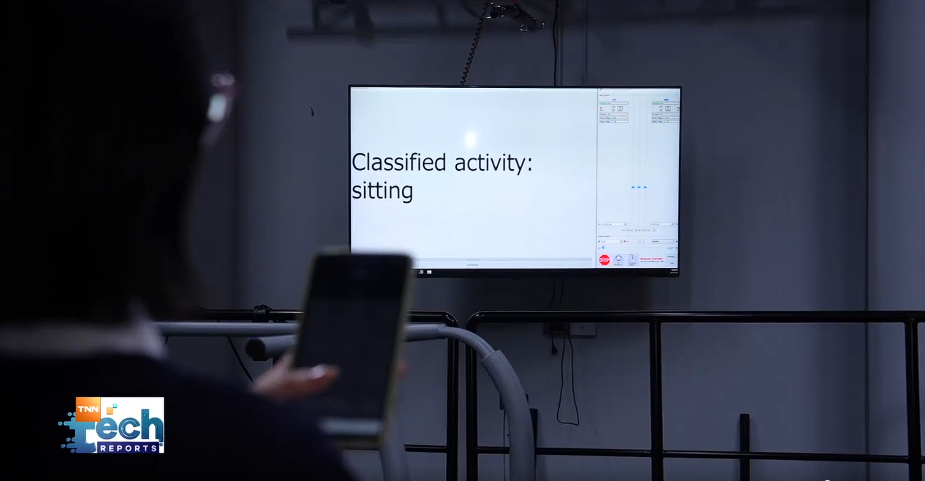
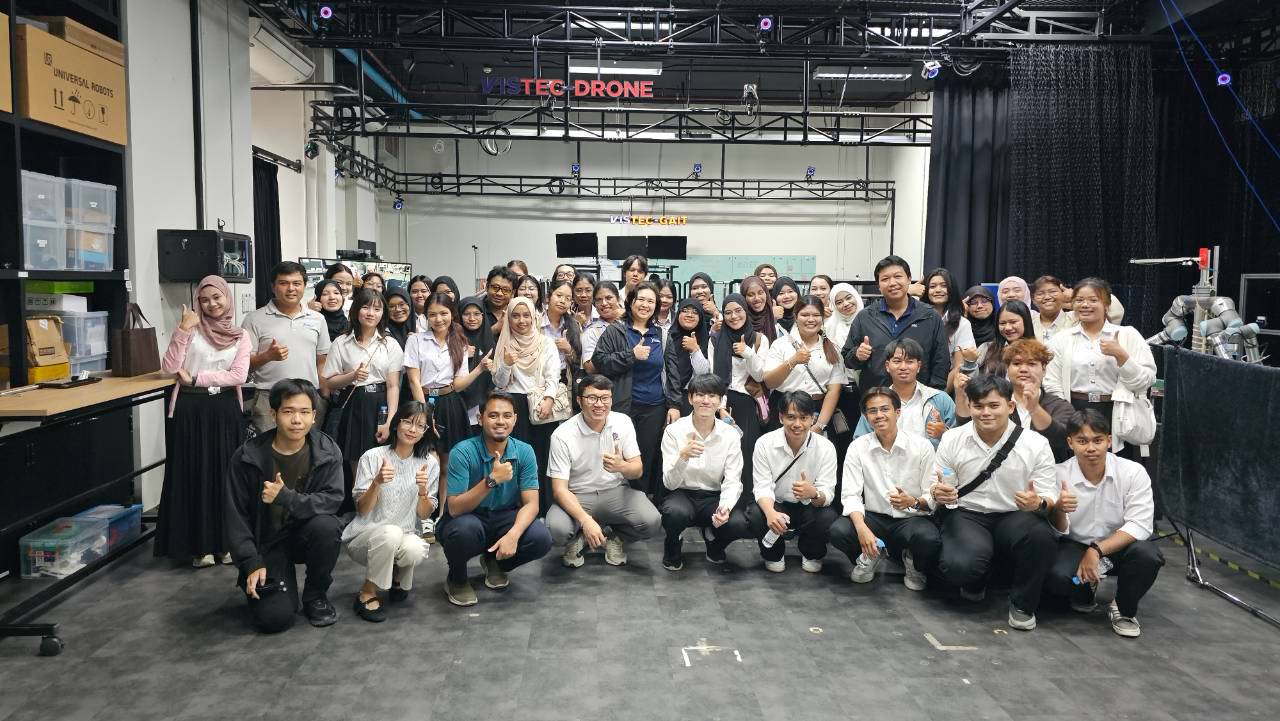
Rounding out the showcase was VISTEC’s Gait Lab and wearable device research, which supports the analysis of patients with movement-related conditions. The lab compares treadmill-based gait data between patients and healthy individuals, using motion capture cameras to track body positioning during movement and force plates to measure foot pressure while walking. In parallel, the team’s wearable devices — powered by deep learning — can identify a user’s current activity, such as sitting, walking, running, or standing, in real time. This capability lays the groundwork for future integration into fully automated systems, potentially enabling seamless, automatic robotic control based on human movement data.