
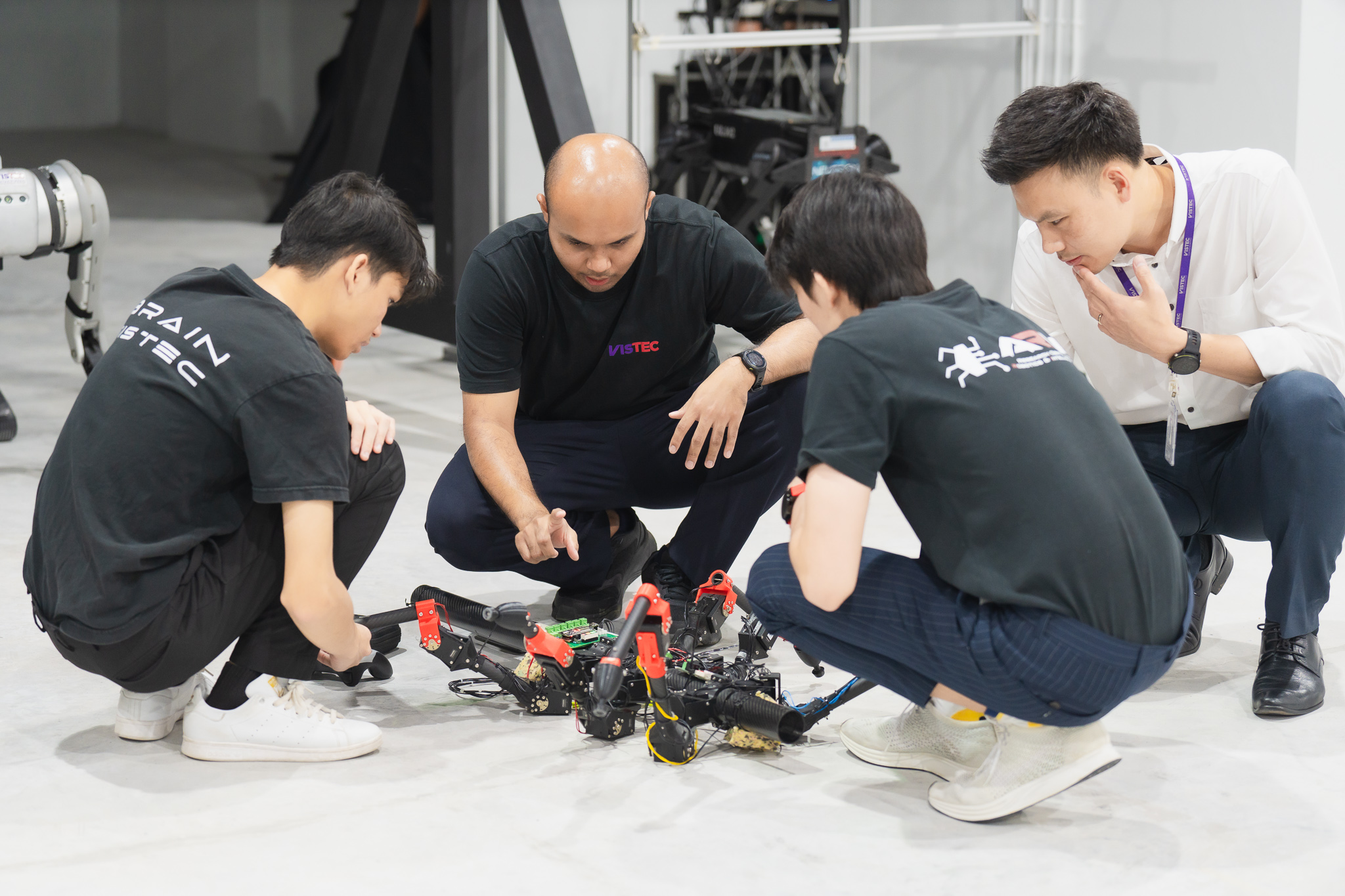
BRAIN VISTEC lab members working on a legged robot
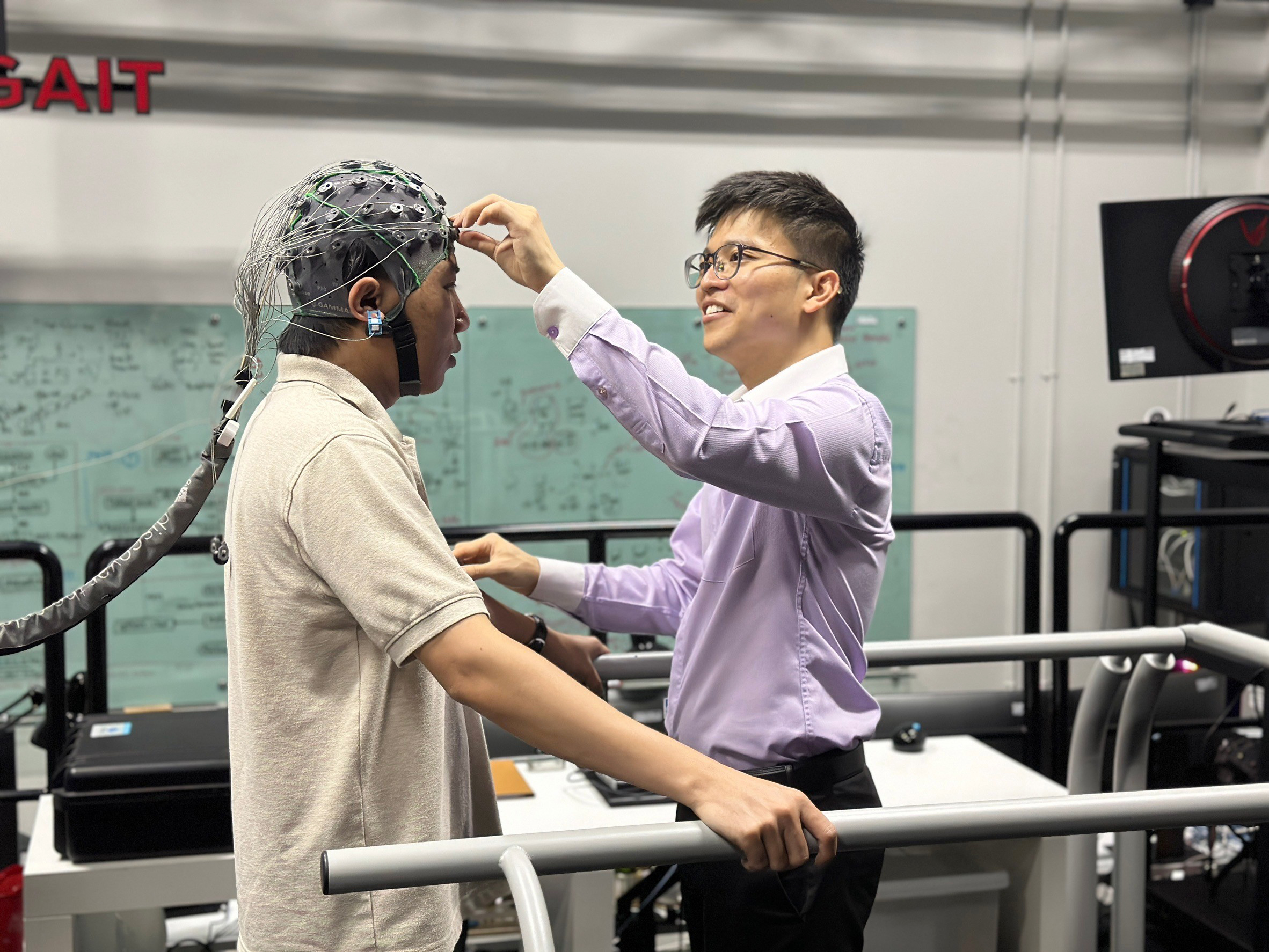
Researcher fitting an EEG cap for a brain-computer interface experiment
Bio-inspired Robotics & Neural Engineering Lab

BRAIN LAB

The BRAIN Lab explores two core domains: bio-inspired robotics and neural engineering. In bio-inspired robotics, our goal is to implement brain-like mechanisms and biomechanics into artificial agents, enabling them to achieve natural, living-creature-level performance. In neural engineering, we decode and interpret neural and physiological signals using advanced sensing, signal processing, and AI to better understand human function and develop intelligent healthcare solutions. Furthermore, we leverage both fields to develop 'BRAIN technology' designed for advanced human–machine and machine–machine interaction.

Bio-inspired Robotics

The Seven Wonders of Robotics

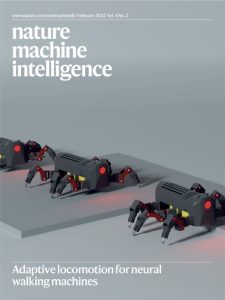
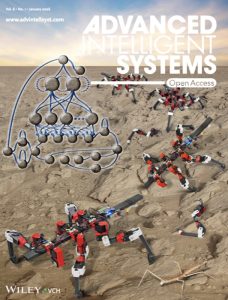
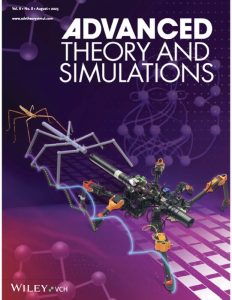
Our primary research spans a spectrum from fundamental biological knowledge to biorobotics and embodied intelligence. Within this framework, our work encompasses seven key robotics research — 'Seven Wonders of Robotics': i) Bio-Inspired Robotics, ii) Soft Robotics, iii) Medical Robotics, iv) Inspection Robotics, v) Service Robotics, vi) Industrial Robotics, and vii) Cognitive Robotics. We also focus on physical AI and human–machine interaction.

Neural Engineering

From Signals to Healthcare

Rooted in neural engineering, our research began with AI-driven biomedical signal processing and has expanded into personalized digital health and multimodal medical image analysis. We develop intelligent methods for biosignal analysis, AI-assisted nutrition and clinical workflow automation, and the integration of histopathology, proteomics, and multiplex molecular imaging to support personalized and interpretable healthcare.

BRAIN LAB on media

When Nature Inspires Robotics

Researchers at BRAIN VISTEC Lab, School of Information Science and Technology (IST), are developing bio-inspired robots that mimic insects, geckos, butterflies, and silkworms designed to explore places humans can't reach, including hazardous environments. From tiny creatures to cutting-edge innovation: this research aims to support disaster response, hazardous area surveys, and data collection in hard-to-reach locations for the benefit of society and the nation.

Latest Research

Condition Monitoring for Drone Docking

A new BRAIN VISTEC study pairs current and vibration sensing with machine learning to catch faults in drone docking stations early — a supervised model for known failure types, and an unsupervised autoencoder that flags anything abnormal without needing labeled examples, validated at over 98% accuracy on a real docking station.

Latest News

Biomedical Engineering Meets Bio-Inspired Robotics

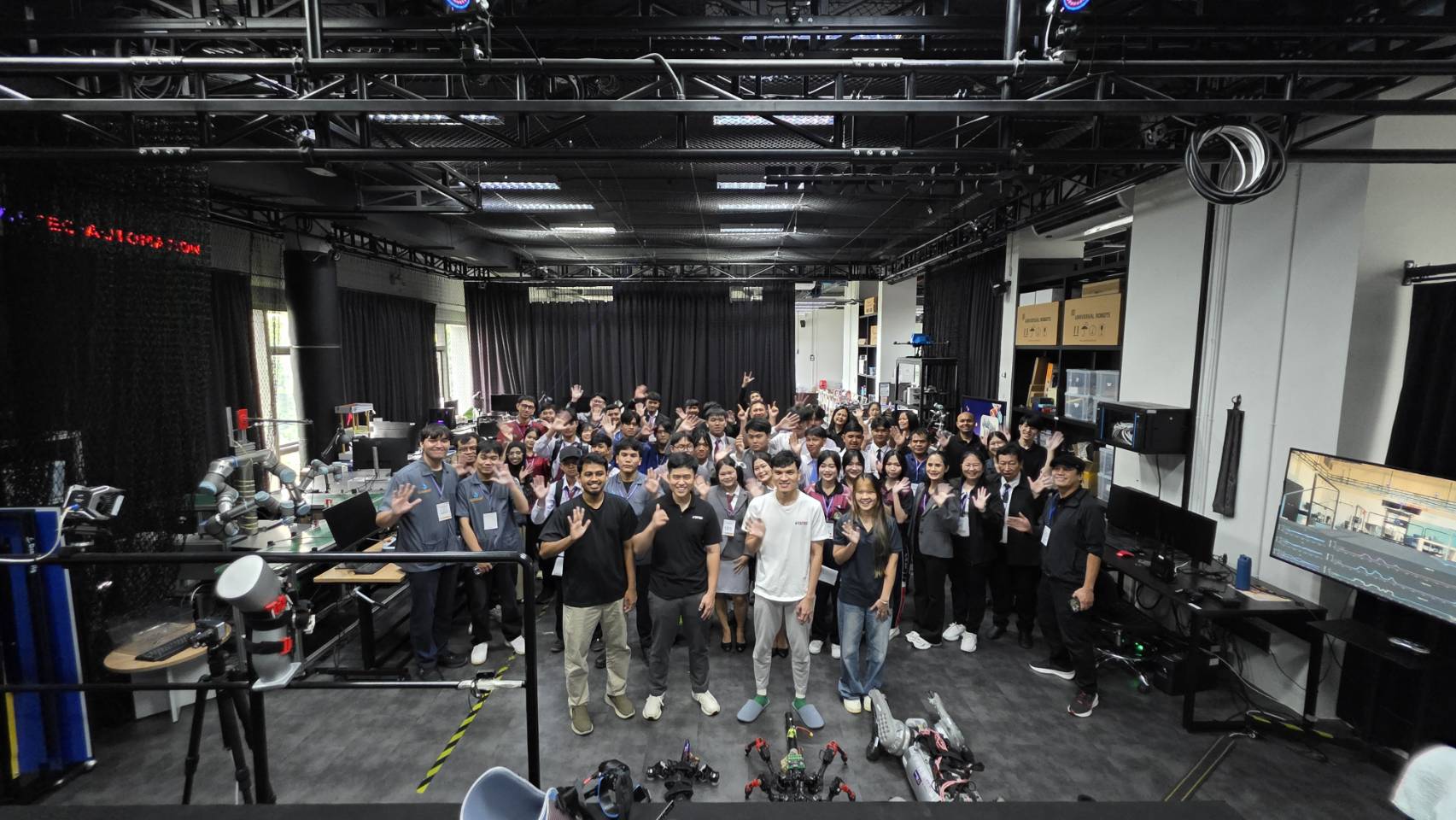
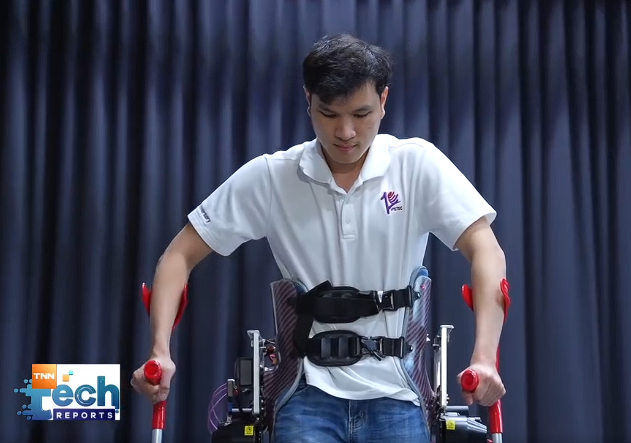
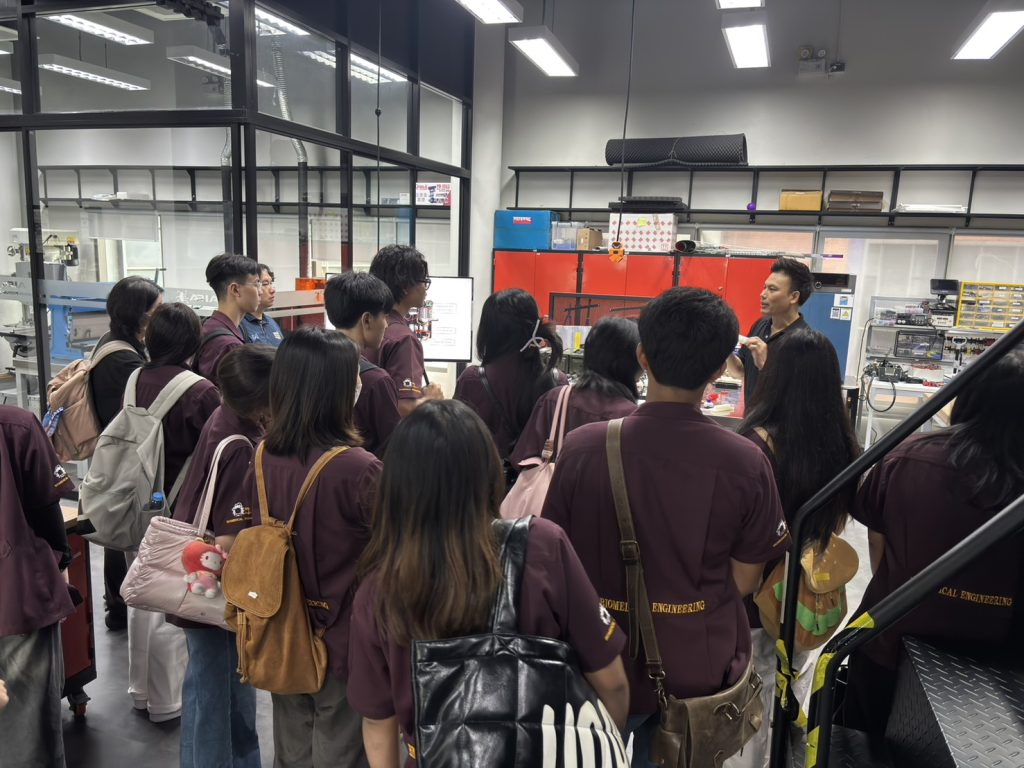
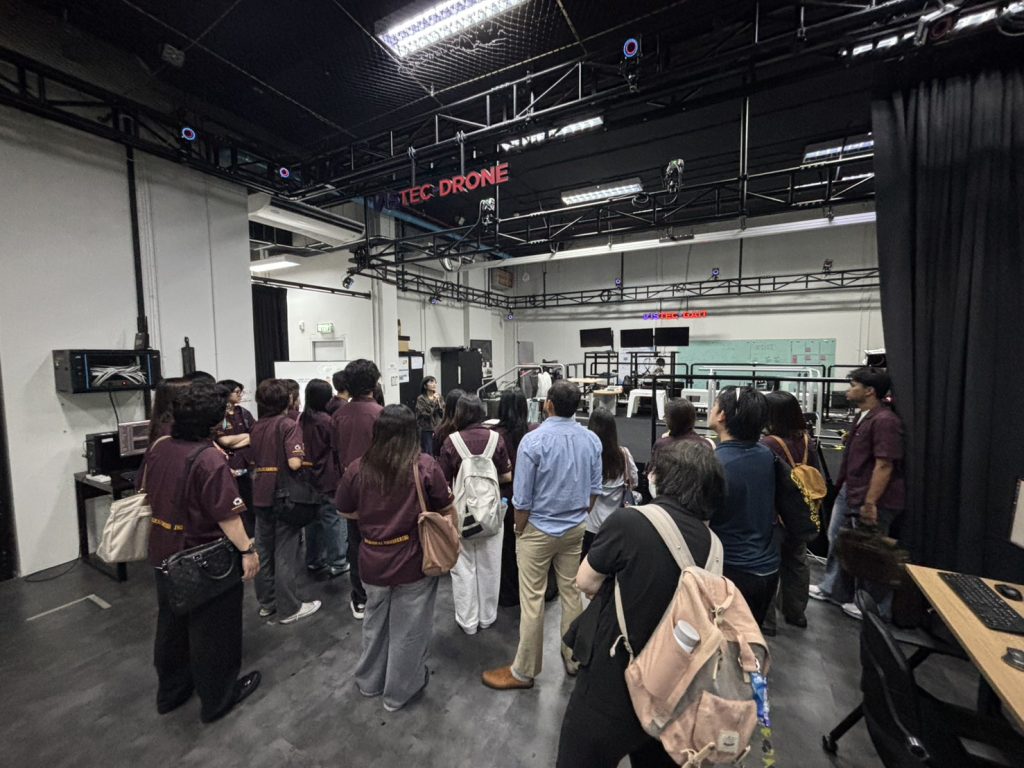
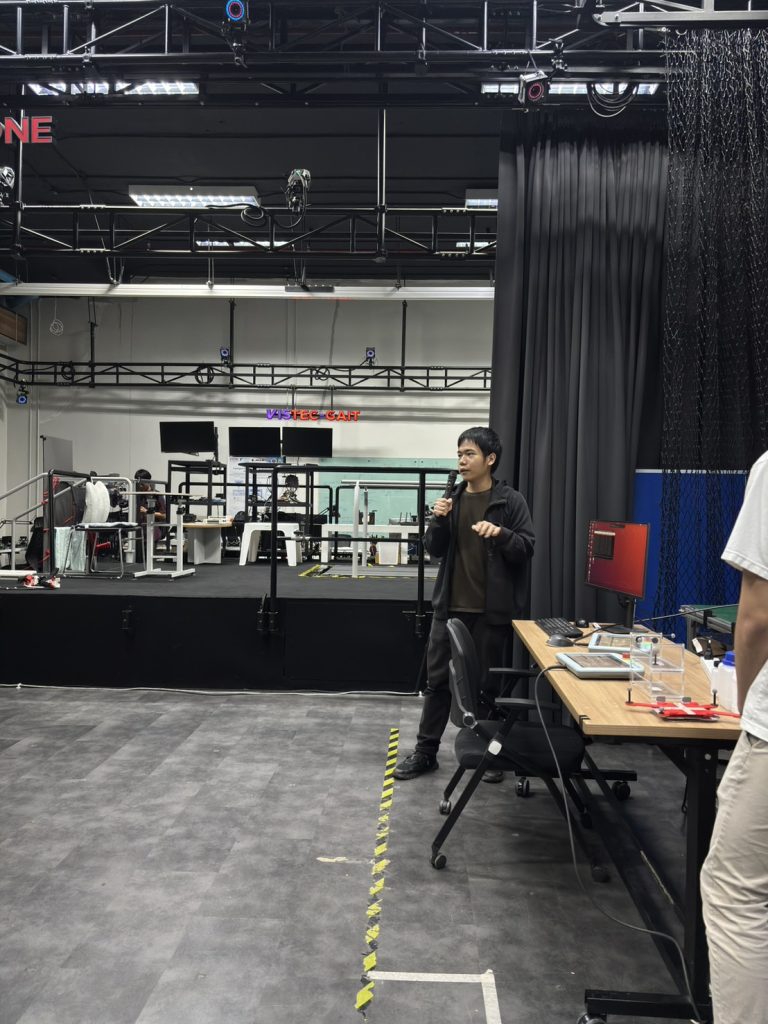
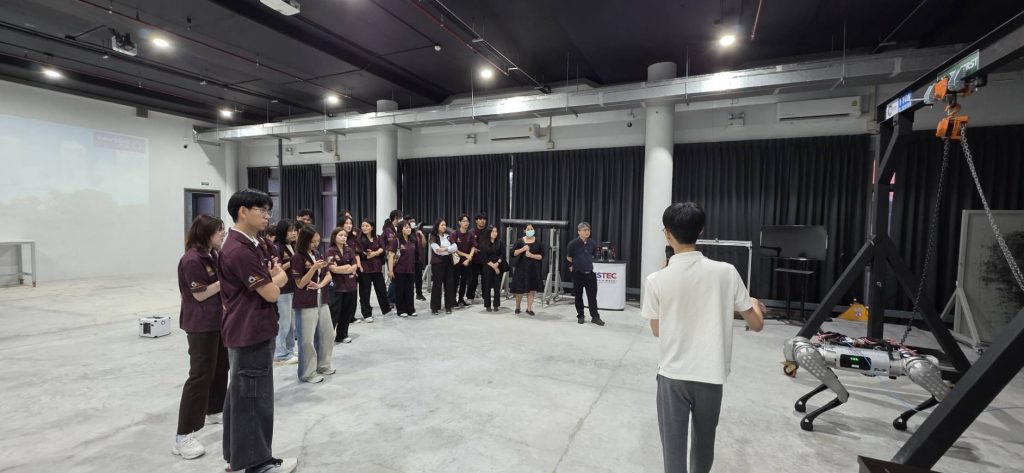
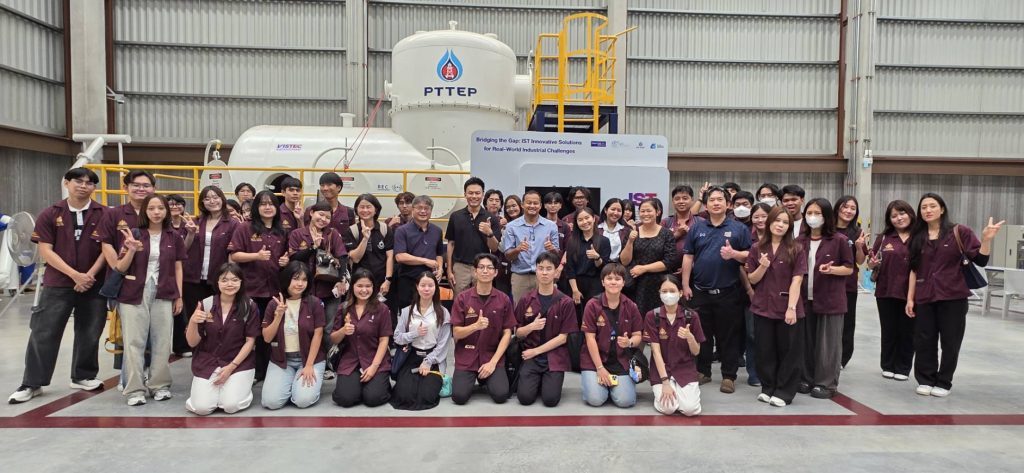
Students from Biomedical Engineering, Rangsit University toured our ARIA and WAI labs, exploring bio-inspired platforms like our stick insect and dung beetle robots alongside industrial drones, inspection robots, and a rehabilitation exoskeleton — plus the motion-capture and treadmill systems behind the research.

Explore our research

Interconnected domains spanning neural engineering, sensing, and embodied robotics.

Upcoming events

International symposia hosted by VISTEC and organized by the BRAIN lab.
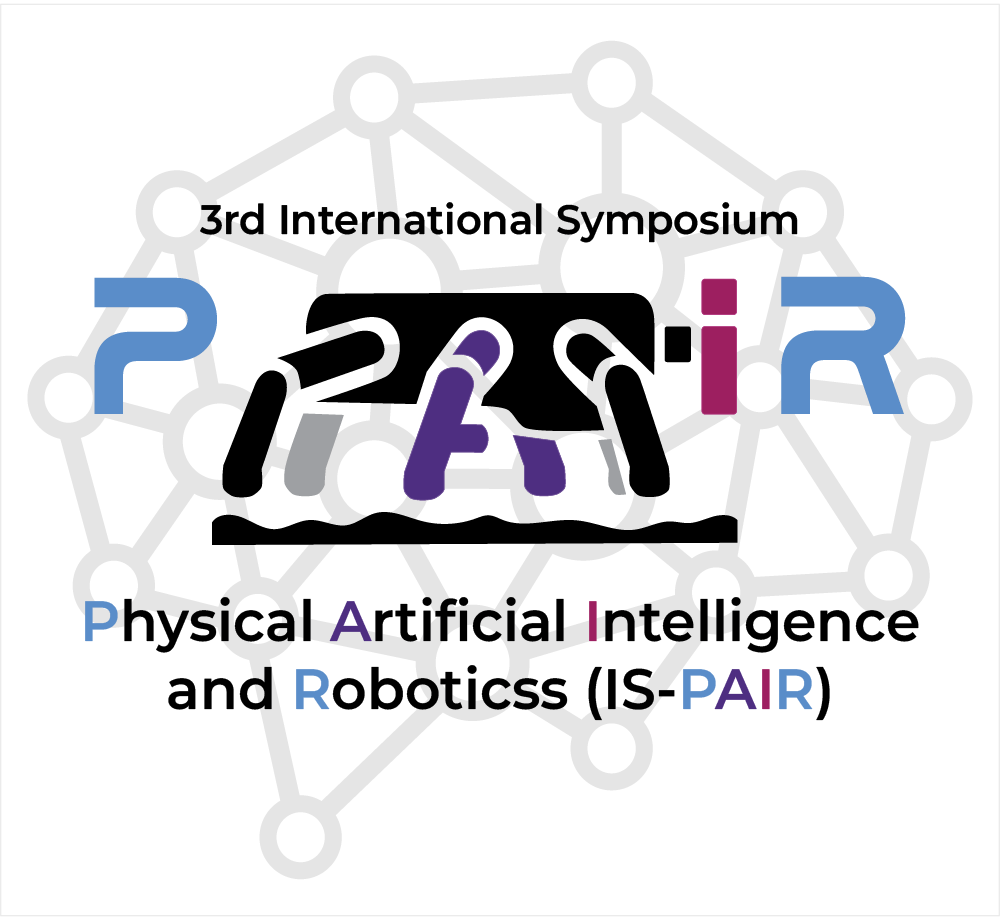
February 11–12, 2027

The 3rd International Symposium on Physical Artificial Intelligence and Robotics

Hosted by VISTEC (BRAIN Lab)

"From Evolution to Innovation: The Next Frontier of Physical AI" — an interdisciplinary symposium on insect biomechanics, neural control, adaptive behavior, and biorobotics.

October 8–10, 2027

The 10th International Symposium on Swarm Behavior and Bio-Inspired Robotics

Hosted by VISTEC (BRAIN Lab)

Bringing together biologists and roboticists to explore how intelligence in nature — from social insects to self-organization — shapes next-generation swarm and bio-inspired robotic systems.

Led by curiosity

Meet the full team →

PM

Prof. Dr. Poramate Manoonpong

Bio-inspired Robotics

Leads research on adaptive neural motor control and embodied AI for legged and aerial robotic systems.

TW

Assoc. Prof. Dr. Theerawit Wilaiprasitporn

Neural Engineering

Leads research on brain-computer interfaces, EEG signal processing, and neurotechnology for rehabilitation.

Est. 2018

Meet the whole lab

Behind every project are the graduate researchers, engineers, and collaborators who make BRAIN VISTEC's work possible — a growing, hands-on community based at VISTEC's Wangchan campus.
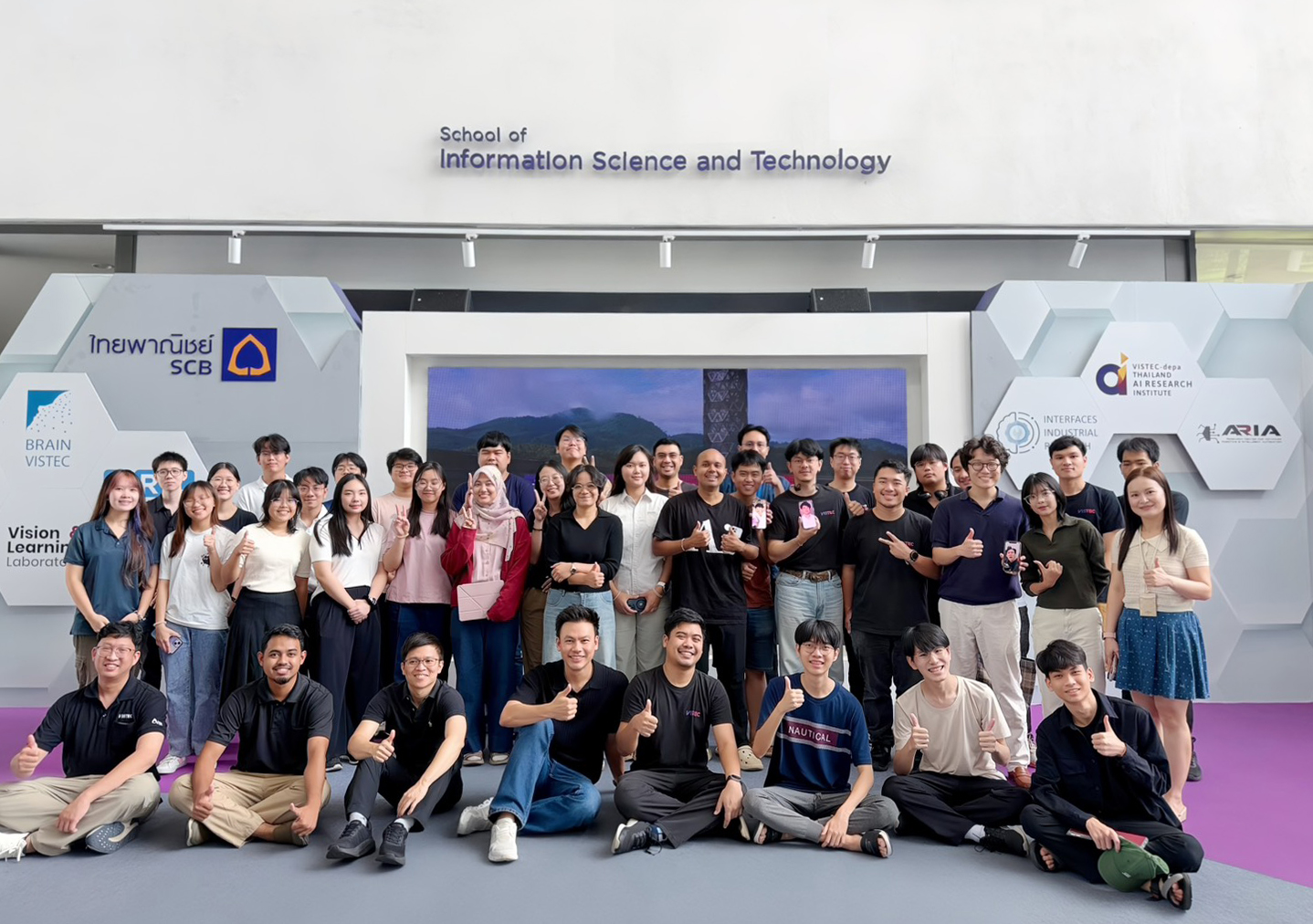
BRAIN Lab group photo

Latest from the lab