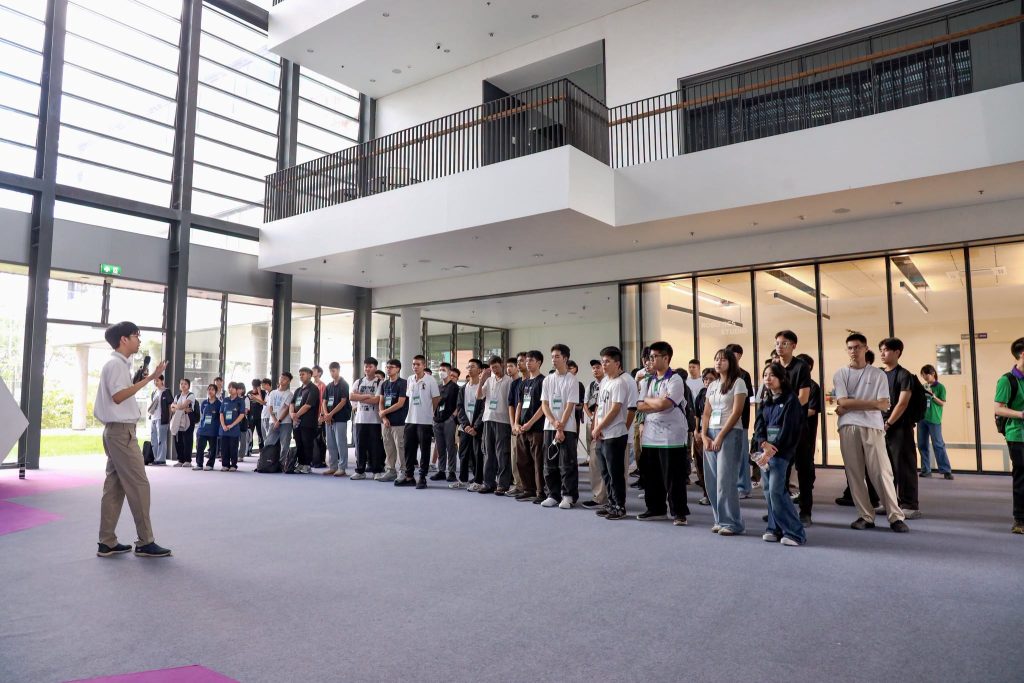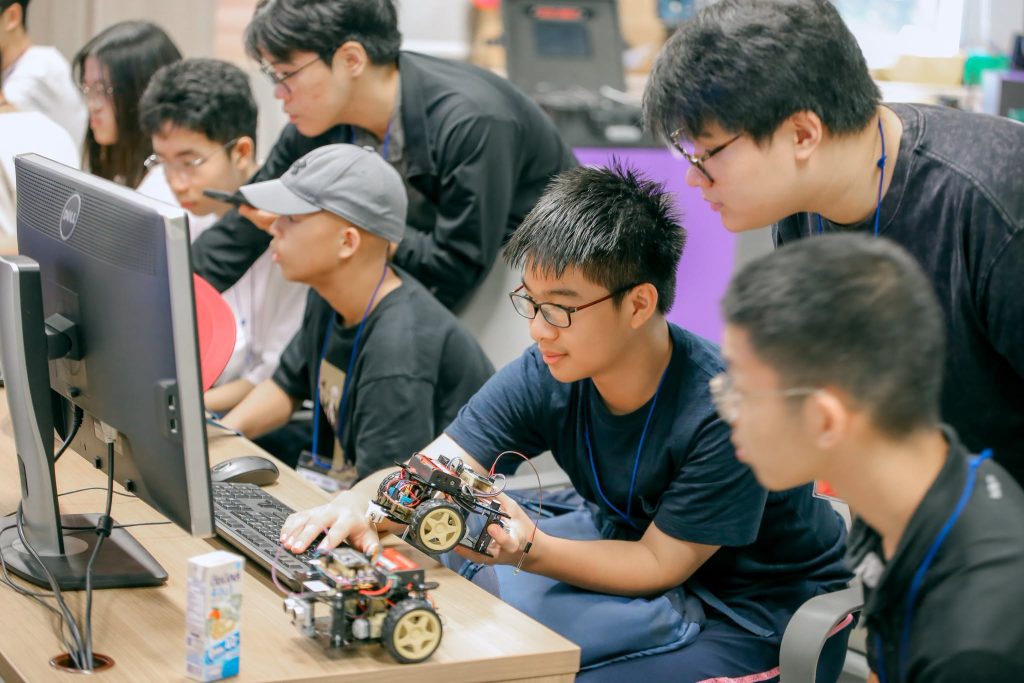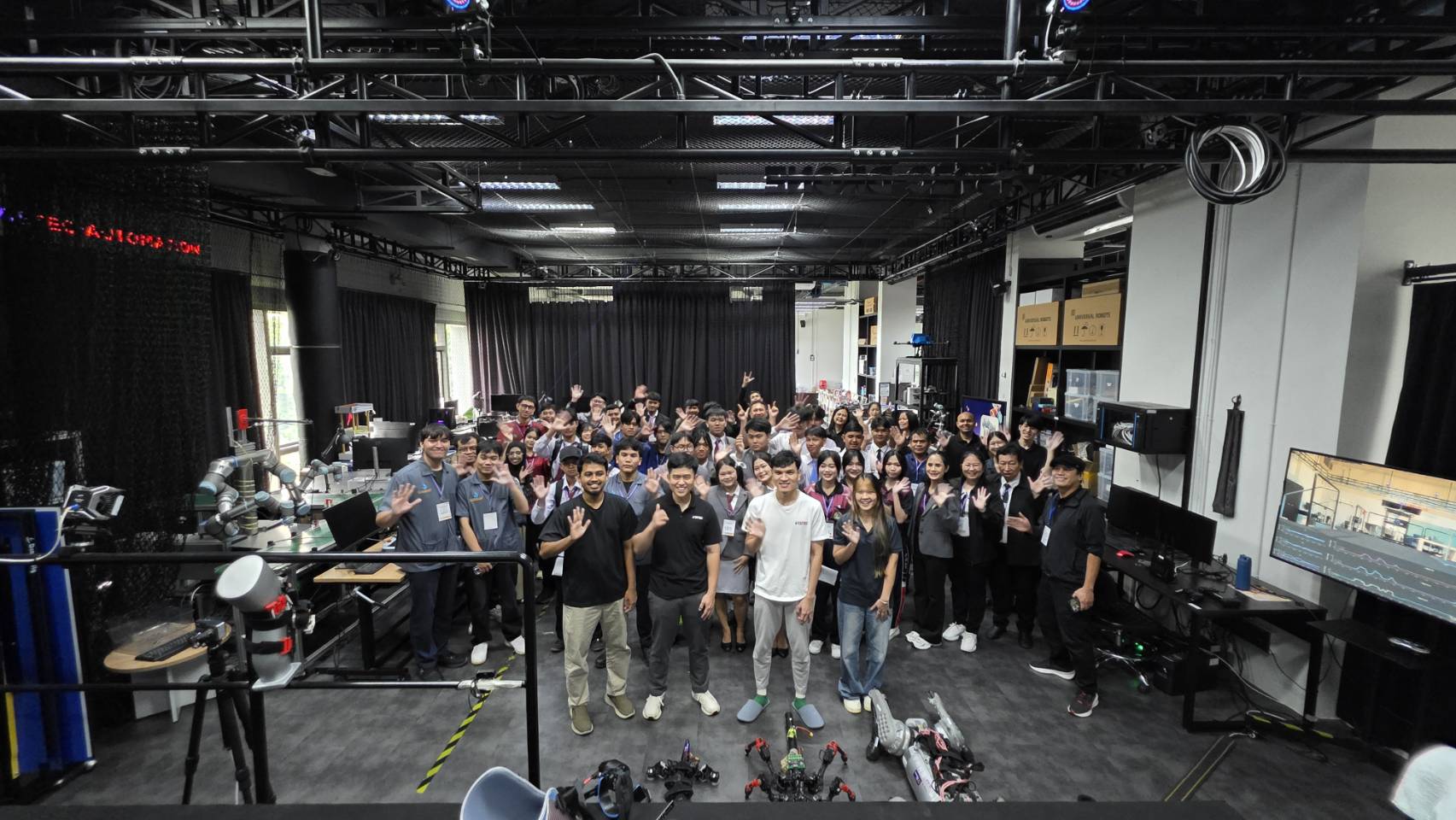
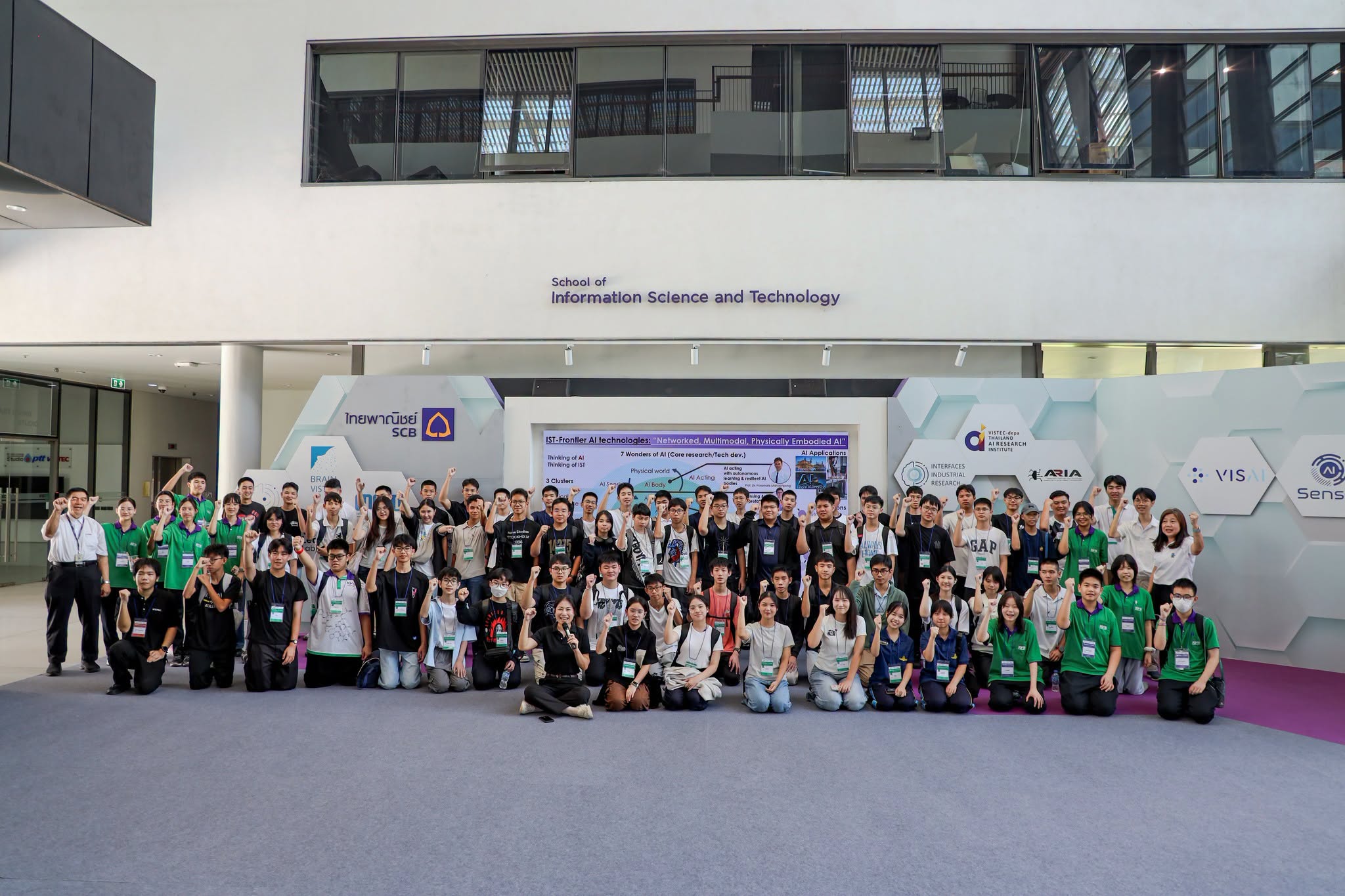
On October 23–24, 2026, members of the Bio-inspired Robotics Lab were delighted to take part in the NextGen AI Camp 2026, organized by PTT Public Company Limited in collaboration with Kamnoetvidya Science Academy (KVIS) and the Vidyasirimedhi Institute of Science and Technology (VISTEC). The camp welcomed 60 students in Grades 9–12 from schools across Thailand for a two-day, one-night program at KVIS and VISTEC in Rayong.
The program aimed to give young learners real, hands-on experience with artificial intelligence and robotics, guided by researchers and educators from both institutions. Beyond the technical content, the camp encouraged students to think analytically, solve problems, work in teams, and apply AI creatively, skills that will be essential as they move toward future studies and careers in science and technology.
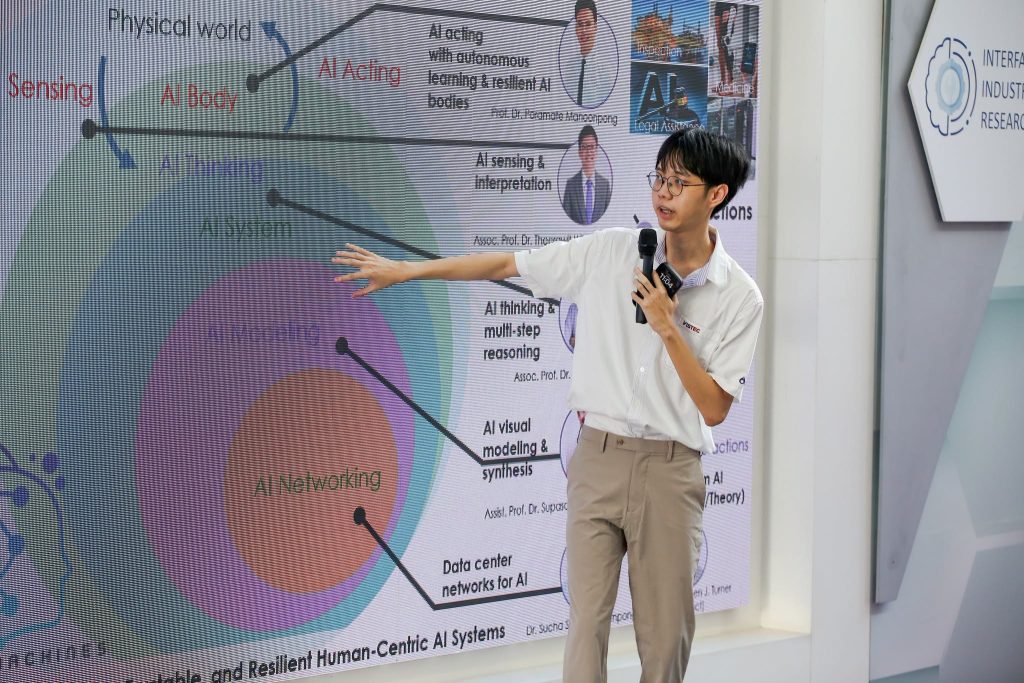
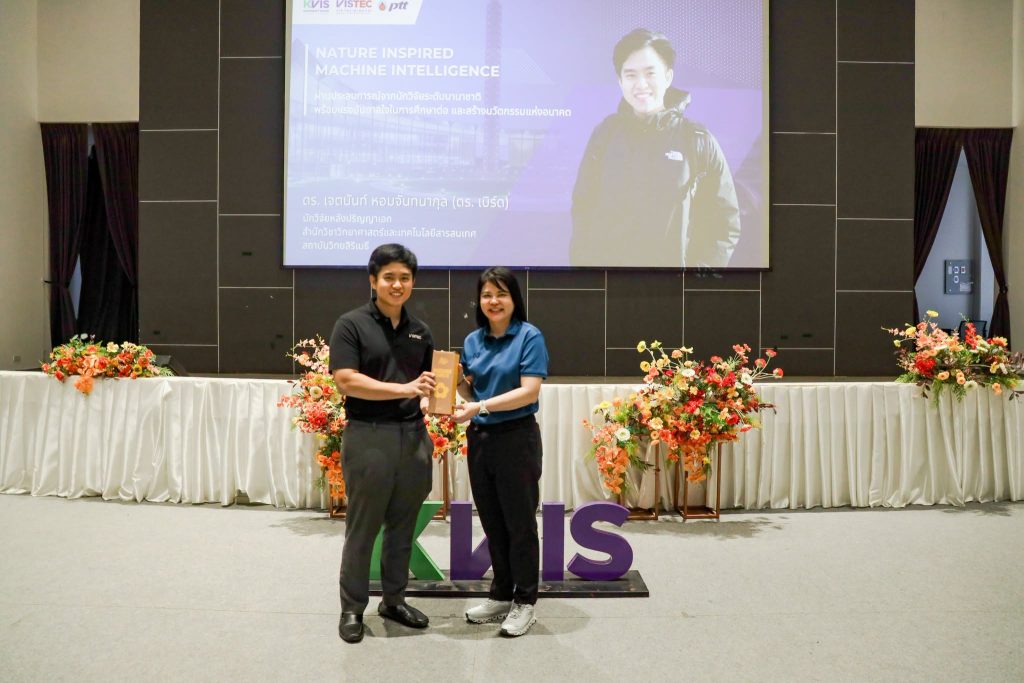
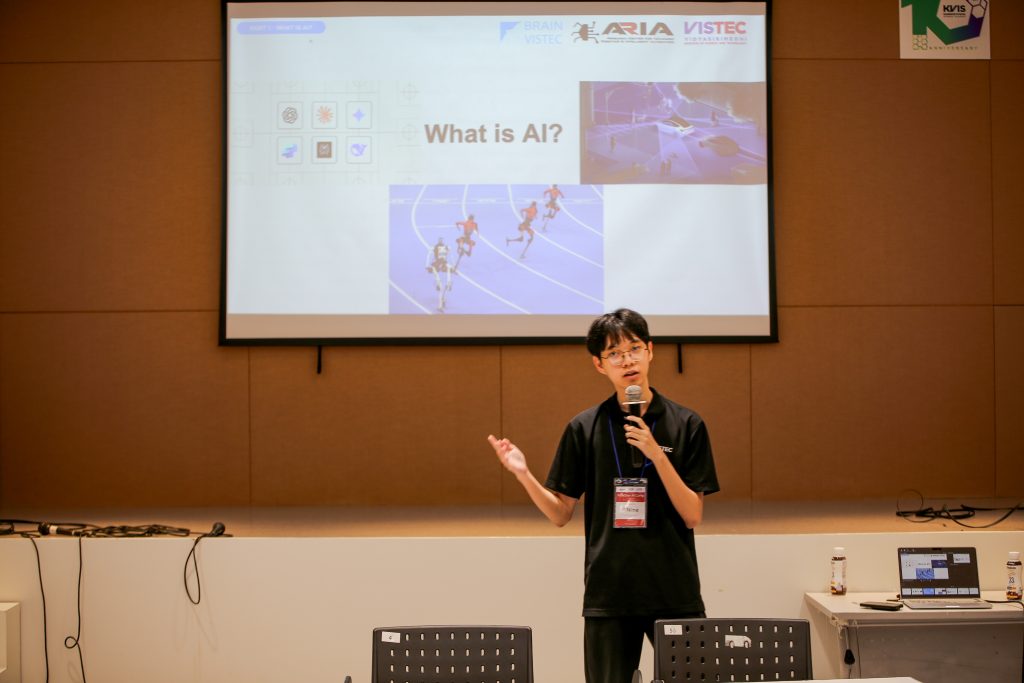
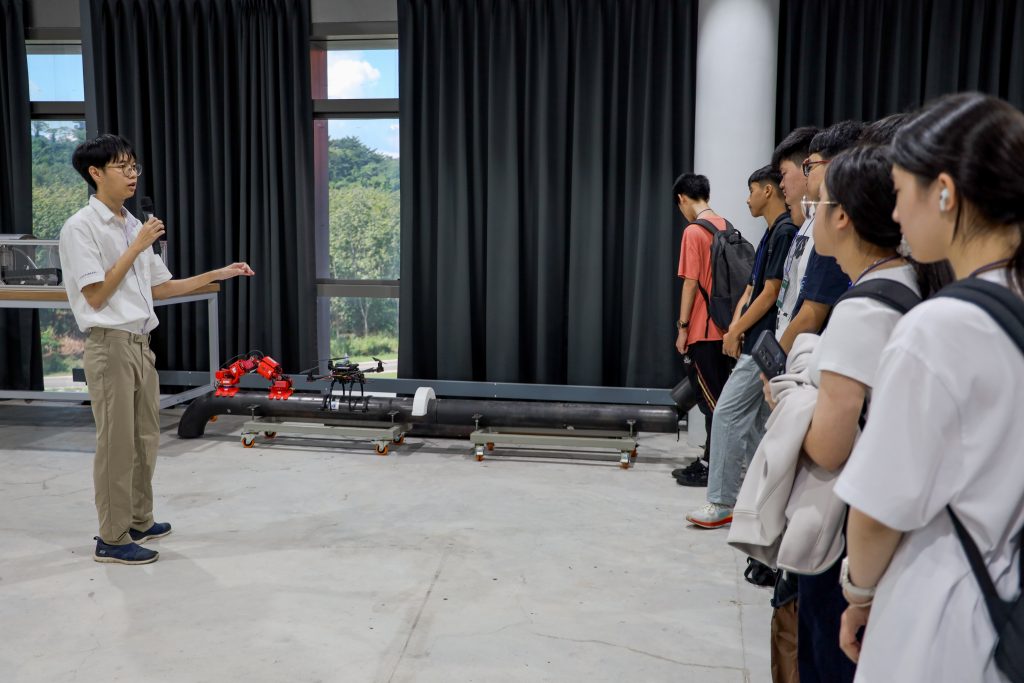
On the first day, Dr. Jettanan Homchanthanakul (Postdoctoral Researcher) delivered a talk on nature-inspired machine intelligence. He explained how animals move and adapt in complex environments and how these biological principles can be turned into control systems for robots, encouraging students to see nature as a source of ideas for solving engineering problems. Our team also introduced the Bio-inspired Robotics Lab and the School of Information Science and Technology (IST) at VISTEC, explained what AI is and how neural networks learn, and demonstrated several of the lab’s bio-inspired robots to show how principles from biological systems can inspire new robotic technologies.
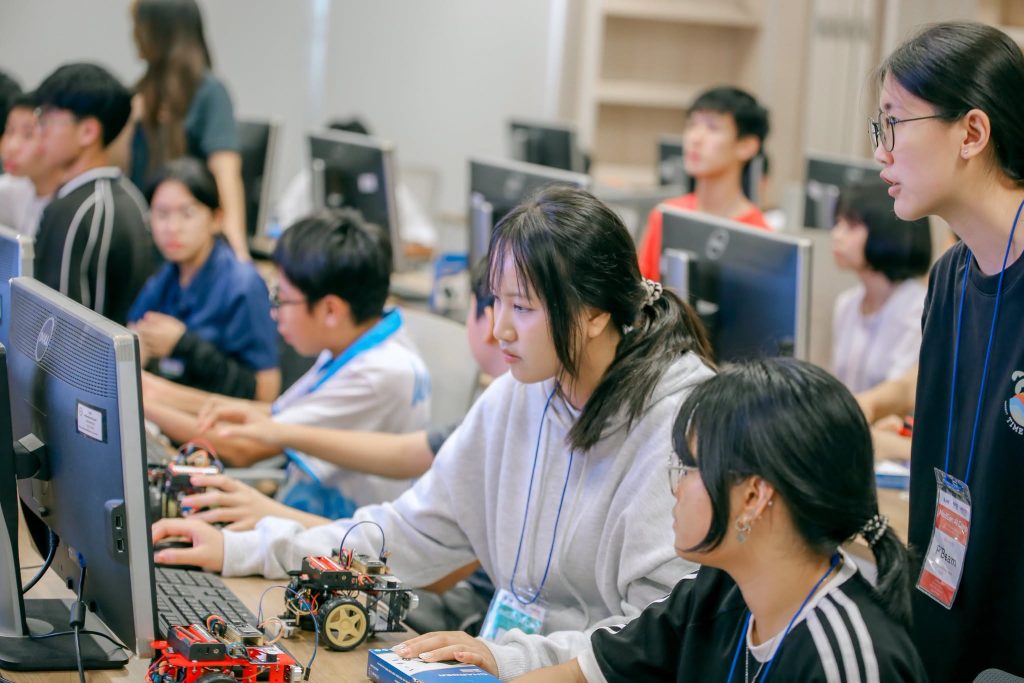
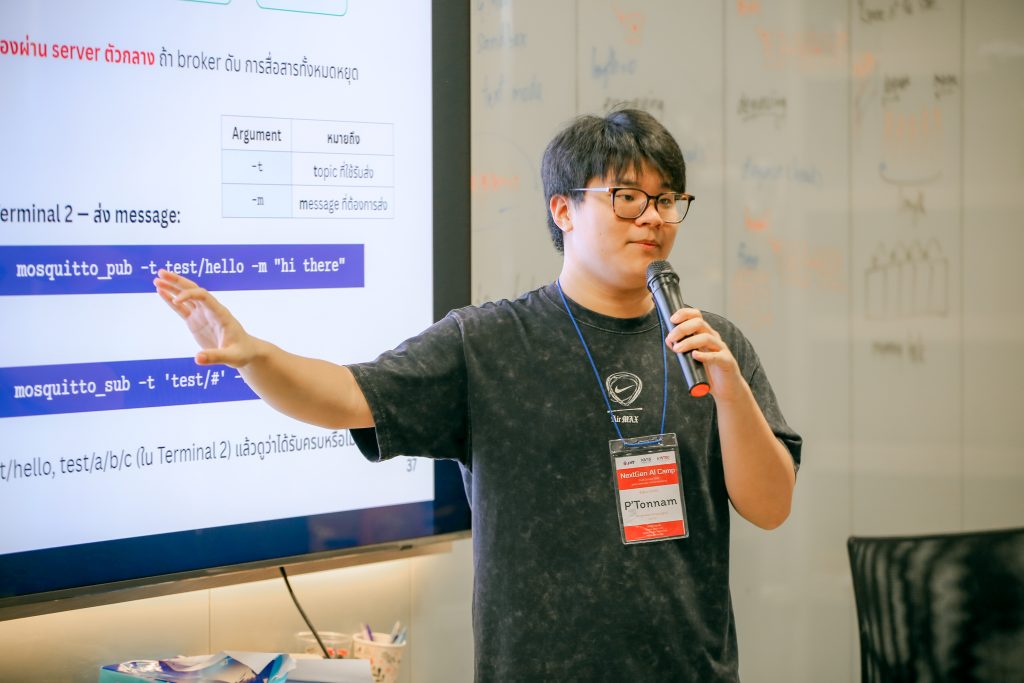
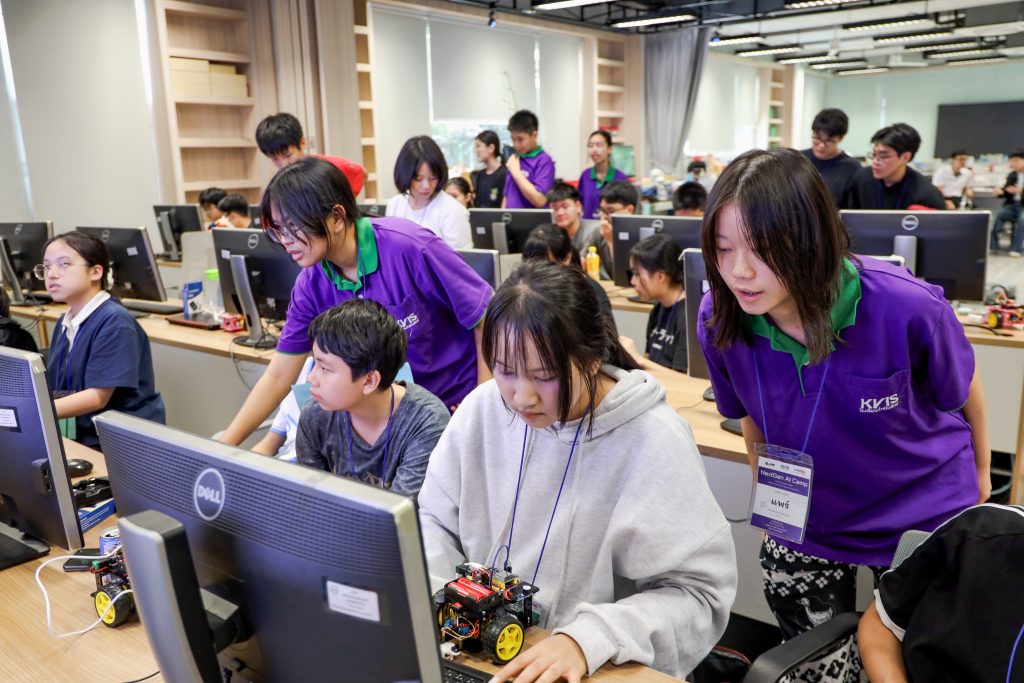
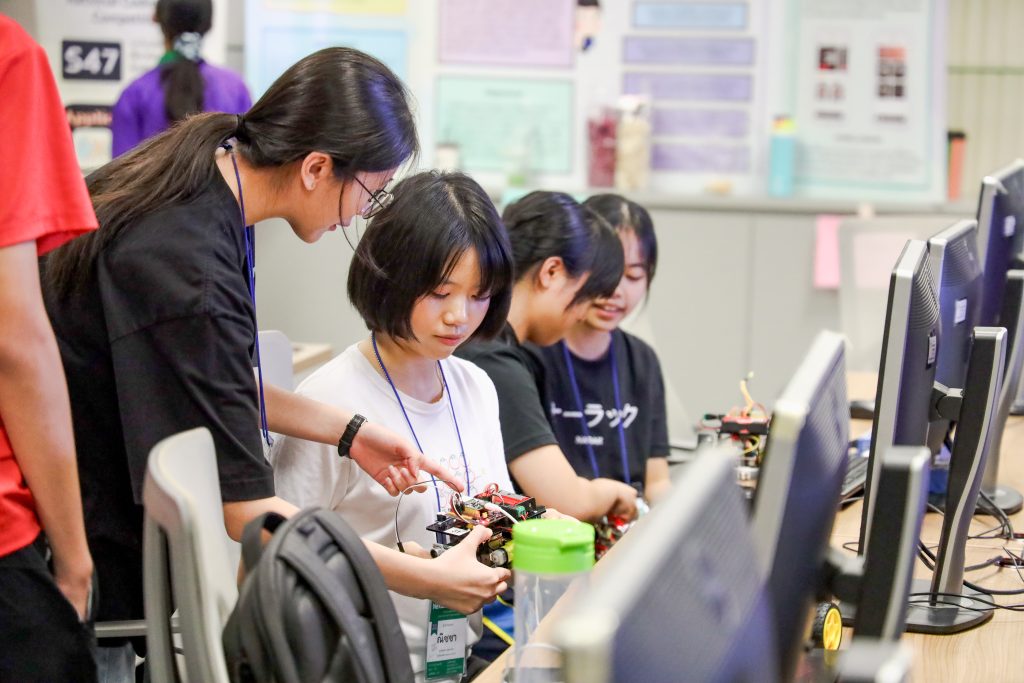
On the second day, Mr. Chayapol Hansanelak (Master’s Student), Mr. Tanakit Jansom (PhD Student), Mr. Saifa Meethong (Research Engineer), Ms. Boonyaporn Preechasuth (Research Intern), Ms. Disthorn Suttawet (Research Intern), Mr. Bhumipat Ngamphueak (Research Intern), and Mr. Pongnapat Arayangkul (Research Intern) led a hands-on workshop for the students. The workshop introduced ROS2 (Robot Operating System 2), the framework widely used to build modern robotic systems, and let students write their own programs to communicate with robots. Students then learned to use CoppeliaSim to simulate robots in a virtual environment, exploring how walking patterns inspired by insects can be generated and coordinated to mimic biological movement before being tested on real hardware.
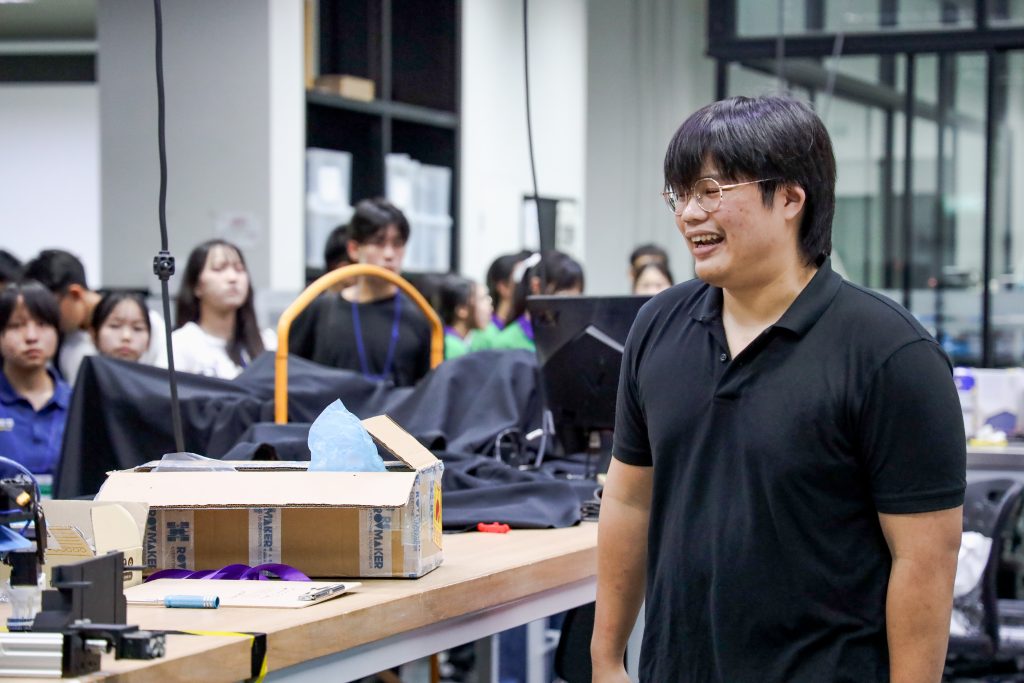
Throughout the camp, students also had the opportunity to visit VISTEC’s research laboratories and see advanced research equipment up close, giving them a glimpse of what scientific research looks like in practice.
We are grateful to PTT and KVIS for the opportunity to be part of this camp, and we hope the experience has sparked the students’ curiosity and inspired them to explore the many possibilities at the intersection of nature, AI, and robotics.